



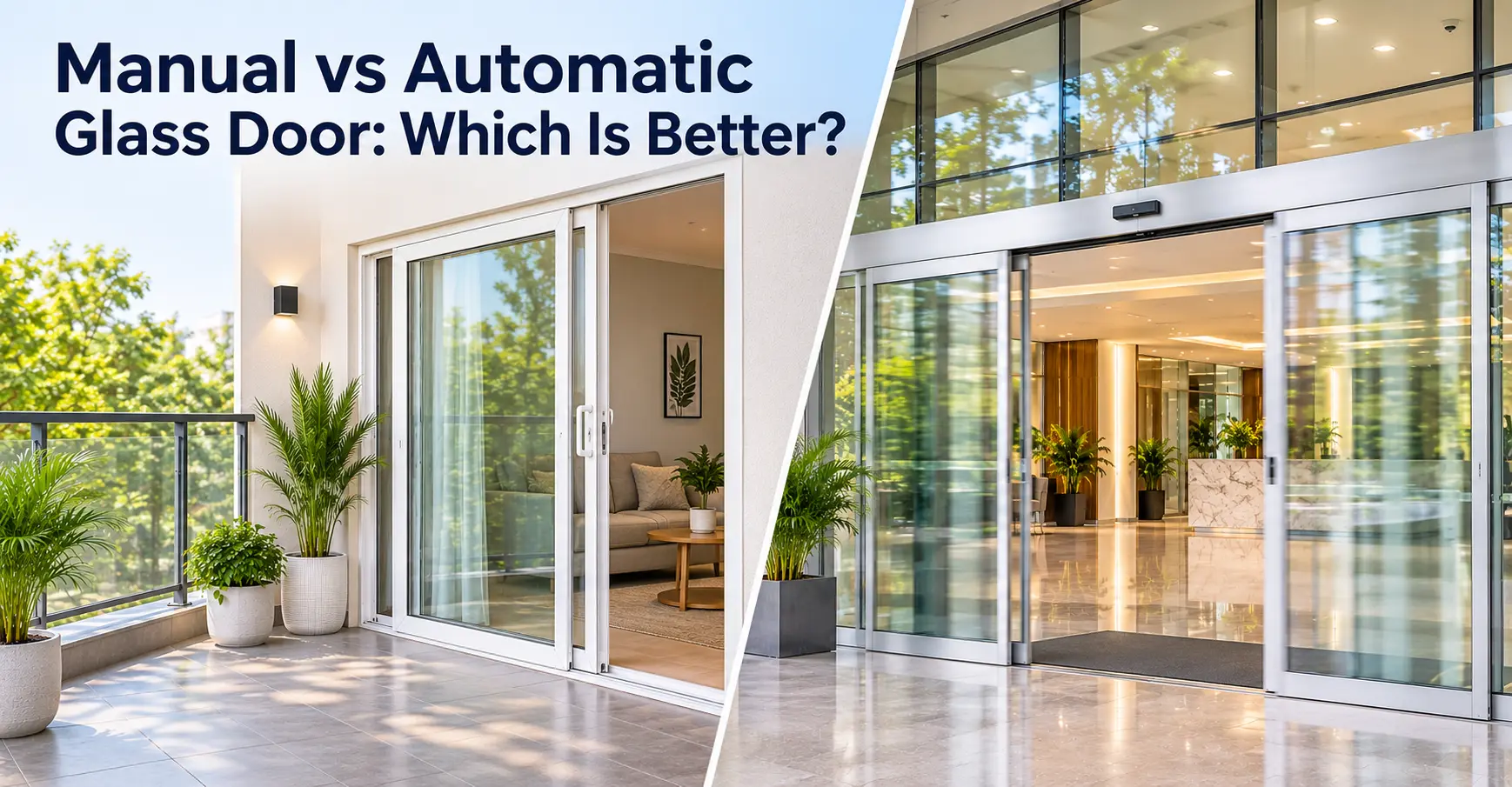
Manual vs Automatic Sliding Glass Door?Which is better?
Manual vs Automatic Sliding Glass Door?Which is better?
Have you ever went into a store and seen the glass doors open as you come in? Consider the sliding glass door on a house balcony. It will require a bit of effort for you to get outside. The basic function of both doors is the same, but how they work is different. The major difference between a manual vs automatic glass door is where you’ll be using it, how many times you will need to use it, and how much you can afford.
There are pros and cons to both of these kinds of doors. A Manual sliding glass door is easy to operate, and it is typically less expensive. If a lot of people use the entrance to a building on a daily basis, an automatic sliding door will make it easier to enter and exit.
So, which one would you like to have in your homes, office or commercial buildings? Let’s take a look at the differences, cost and daily use and make a sensible decision.
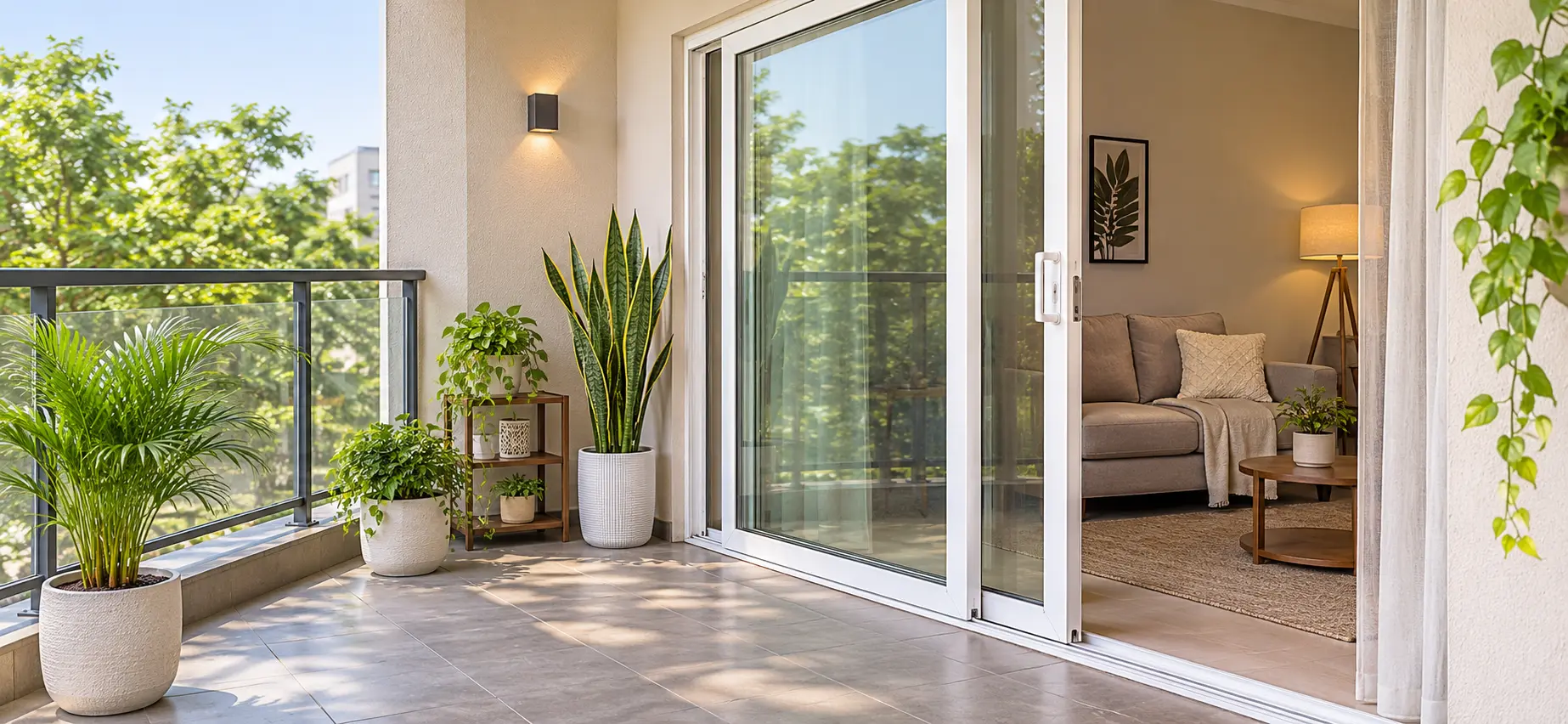
What Is a Manual sliding Glass Door?
A Manual sliding glass door is a door that can be moved manually, similar to the way a slider door is moved. Holding the handle, slide the door aside to open it. If you wish to close it, move it back into place.
It doesn’t swing into the room or towards the outside like a normal hinged door. That said, it could prove a viable choice for areas where space is a premium.
Manual sliding glass doors are typically found in:
- Home balconies and patios
- Living rooms with access to gardens.
- Building cabins and meeting rooms in the office.
- Showrooms and retail stores
- Glass partitions between rooms
There are several key components in a Manual sliding glass door such as the glass panel, tracks, rollers, handles, and locking mechanism. These rollers assist the glass to glide along the track and the lock locks the door when it is closed.
Suppose, for instance, that you have a balcony attached to your living room. There is a Manual sliding glass door that will allow you to go from one space to the other without requiring additional space for the door to open.
The best part? It requires no electric power to operate. As long as the door is installed correctly and the hardware is functioning good, the door can be opened and closed whenever they need.
What Is an Automatic Sliding Glass Door?
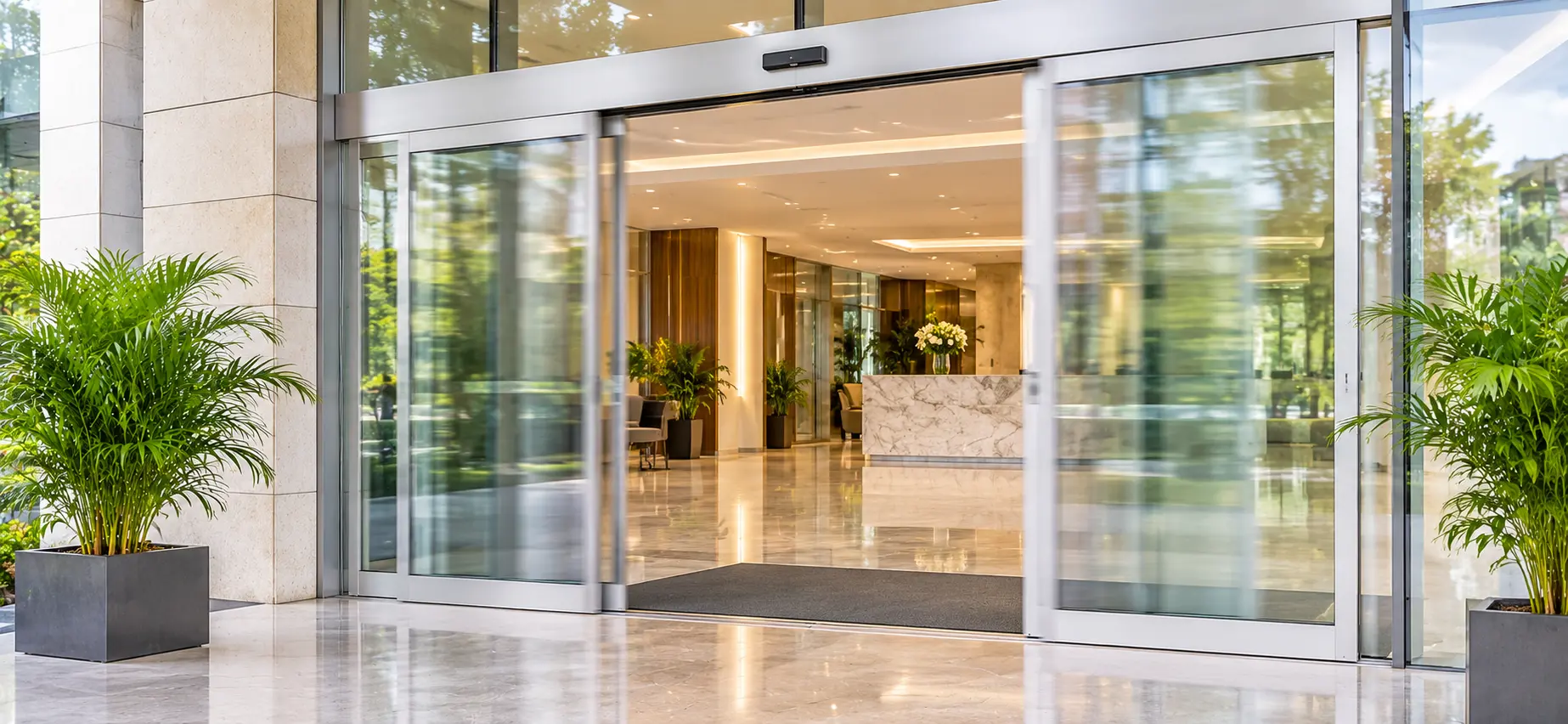
Automatic sliding glass door that opens automatically rather than pushing or pulling. Typically, it contains sensors that sense the approach to the entrance. It then activates a motor and the glass panels move along the tracks.
The door closes automatically after a predetermined time once the person has passed through (if the safety system permits).
They are used in many locations where people are present throughout the day, like hospitals, shopping malls, hotels, airports, office buildings and so on.
Consider walking in or with a bag in a hospital. The easier it is to do automatically the easier it is to do, so having the door open makes it easier because you don’t have to stop to reach a handle.
Typically, an automatic door has:
- The panels and hardware for the glass.
- A motor for operating the panels.
- People sensing technology
- Controls that regulate the opening and closing.
- Features to prevent closing door against persons or objects
The system is a combination of electrical and mechanical parts, and therefore requires proper installation and regular checks.
An automatic door might be helpful, but it is not always required. If you are installing a door between two rooms in your house, you may have no need to use a sensor or motor at all.
Manual vs Automatic Glass Door: What’s the Difference?
Both doors might appear to be the same at first glance. The primary distinction is the methods used to run them, and what you must keep them.
| Feature | Manual sliding glass door | Automatic sliding door |
| Operation | You move the door by hand | A motor moves the door |
| Electricity | Not needed for normal use | Usually required |
| Initial cost | Generally lower | Generally higher |
| Convenience | Requires physical effort | Opens automatically when triggered |
| Maintenance | Tracks, rollers, handles, and locks | Mechanical parts, motors, sensors, and controls |
| Best use | Homes, balconies, and internal partitions | Busy entrances and commercial buildings |
| Accessibility | Depends on the door’s weight and opening force | Can make entry easier when properly installed |
Both are not necessarily superior to each other. An automatic door may be an appropriate solution for a shopping mall, whereas a manual door may be an excellent fit for a small office.
The key is to select a door that fits the users’ need of the space.
1. Budget: What Door Is Easier on Your Budget?
For one, the cost because that is always the first thing people want to know.
The price of a Manual sliding glass door is typically lower than that of its automatic counterpart. It does not require a motor, sensors or electronic controls so there are less components that are required to be bought.
But this is not all that matters when it comes to the final price. There are several factors that influence the door’s price such as size, type of glass, frame material, handles, locks and installation.
If you are looking for a balcony door for your home or an office partition, you can just go for the manual door. Unless you use them, don’t pay for automatic features.
The initial price of automatic sliding doors tends to be higher. Installation, sensors, control unit and any electrical work that needs to be done must be considered.
Well, here is a thought to consider. Some buildings with a high traffic area at the entrance may be better equipped for an automatic system because they would benefit from the convenience. It can facilitate the ease of entry and exit for visitors, customers and employees during the day.
If you’re looking at manual or automatic glass door costs, inquire the total price of the door installation. Ignore the price of the glass!
Also inquire about service, spare parts and warranties. These costs may impact your finances after you install.
2. Daily Convenience: Which One Is Easier to Use?
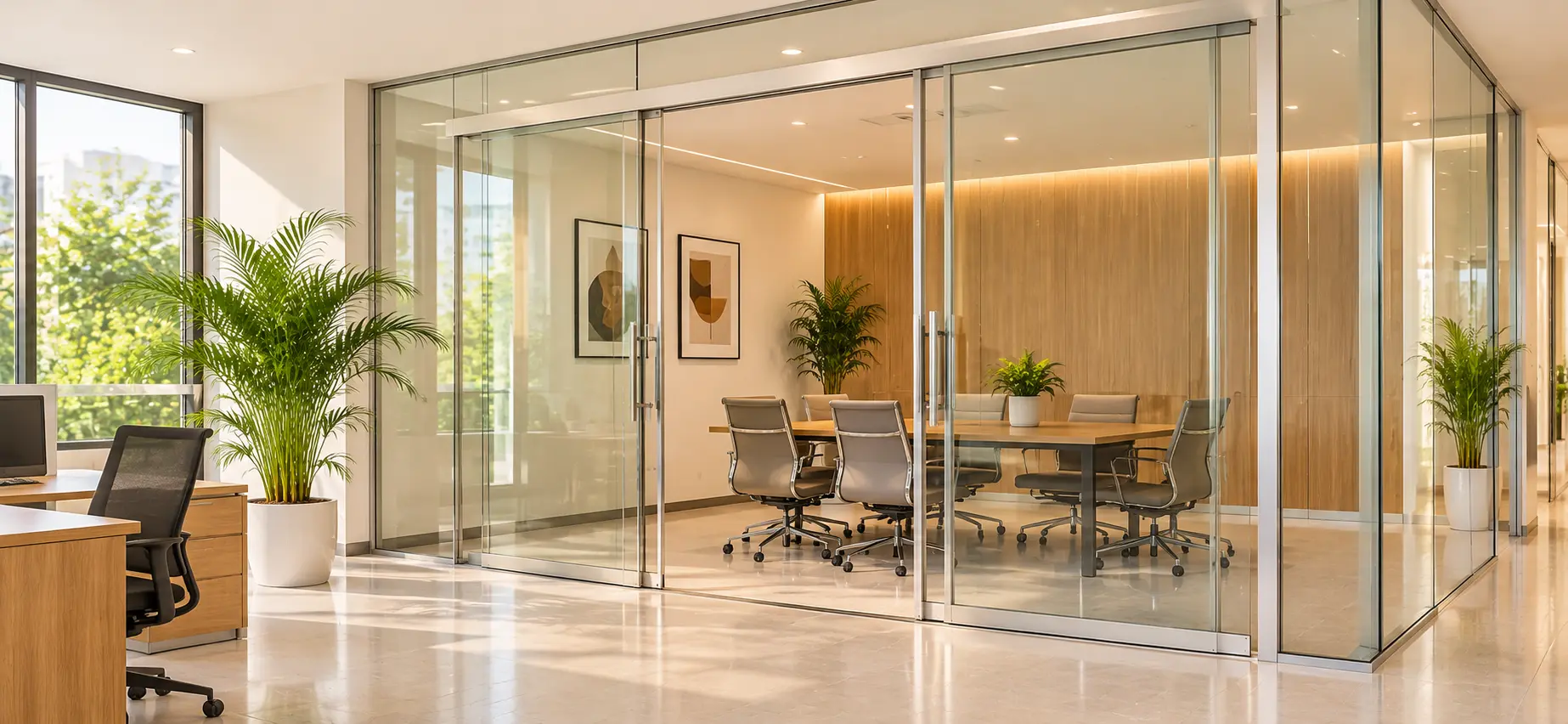
The answer depends on who uses the door and how often.
Manual sliding glass doors are easy to operate when the rollers and tracks work properly. You simply move the panel to open or close it.
For a balcony or a room divider, this is usually enough. You might open the door a few times a day, so operating it by hand isn’t much of a problem.
Things can be different at a busy entrance.
Imagine walking into a supermarket with shopping bags in both hands. Opening a manual door would mean putting something down or finding a way to pull the door open. An automatic door removes that extra step.
The same applies to hotels, hospitals, and other places where people may carry luggage, push trolleys, or use mobility aids.
Still, not every doorway needs automatic operation. Spending more on a powered system doesn’t make much sense if people rarely use that entrance.
When weighing up manual vs automatic glass door options, think about a normal day in your building. How many people will use the door? Will they have their hands free? Do they need to move through quickly?
These everyday details can help you make a better choice.
3. Safety and Accessibility
Either manually or automatically operated, a glass door must be safe to use.
The panel should roll easily without a manual door but should not be so easy as to be difficult. Handles should be easy to grip and locking mechanism should function correctly.
It also depends on the type of glass. You may require toughened safety glass, laminated glass or other appropriate specification, depending on your location of installation.
One benefit of automatic doors is for those who have trouble pushing or pulling a heavy door. An automatic door opening mechanism can assist people with disabilities who use a wheelchair or walkers.
But automatic does not eliminate all safety issues. The sensors and controls need to function properly to ensure that the door moves as required when someone walks through it.
Prior to installation of either type, review the following:
- Select glasses appropriate for the application and location.
- Ensure tracks and hardware are capable of supporting the door.
- Test to see if the door slides easily in and out.
- Select appropriate locks and access mechanisms.
- With automatic doors, verify that the sensors and safety devices are suitable for the door opening.
- Comply with relevant building, fire safety and accessibility regulations.
In the case of a commercial building, it is advisable to have a professional building engineer do a pre evaluation of the entrance before selecting a system.
4. Energy Efficiency: Is One Energy Saver?
Glass doors can either allow light into a building or alter the temperature of the indoor environment. This is important if you have air conditioning or heating systems.
Much of the quality of the completed glass door relies on the glass, frame, seals, and installation. How people use the door is also a difference.
For example, a person can have a manual door open while moving furniture or moving items indoors. During the period that time, cold air may flow out of a room having an air conditioning system.
An automatic door shuts when people pass through it, which can help to decrease the amount of time the entrance is open. This can be helpful in the commercial environments.
But an automatic door is not necessarily energy efficient. The building can experience conditioned air loss if the sensors are set to alarm too frequently or if the seal does not fit correctly.
If you are considering installing a manual or automatic glass door system for an air conditioned building, inquire about the type of glass, weather sealing and the number of times the door opens. These factors will assist you in understanding the impact on indoor comfort of the entire door system.
5. Maintenance: What To Look For?
Over time all sliding glass doors require some sort of maintenance. It may not operate as smoothly due to dust, dirt and its regular use.
Manual doors are typically easier to maintain. Clean tracks, inspect rollers, and ensure that handles & locks are functioning properly.
Don’t force the door if it is getting harder to move. This can be caused by dirt in the track, poorly aligned or worn rollers.
These same tests should be performed on automatic doors, as well as those of the motor, sensors, and electronic controls.
For instance, if the sensor fails to correctly detect people, the door could fail to open when desired. The normal operation can also be disturbed due to a motor problem. These problems should be checked by a competent technician.
If you are looking at automatic glass doors maintenance versus manual, take into account the hours and funds you are willing to put into the maintenance.
A manual door might be simpler to deal with in a house. With a busy commercial entrance, scheduled maintenance can be helpful to ensure the automatic system is operating safely.
Regardless of the reason, routine inspections can help you avoid large repairs by identifying small issues early.
6. Design and Appearance
Manual and automatic sliding glass doors can work for modern buildings. They allow light to shine through them, allow clear views and help spaces feel open.
Manual sliding glass doors are suitable for balconies, patios, room dividers, office partitions. Different frame finishes, glass types, handles and configurations may be selected to accommodate the design.
Hotel, office, shopping centres and showrooms are common locations for automatic doors at the main entrance. They can dry a door and make it look clean but allow for people to walk through without touching the door.
Consideration should also be given to the amount of space that is available. In some systems, there should be a space above the door for the operating mechanism. The supporting structure also needs to be appropriate in terms of weight and size of the panels.
At Twinpro Ventures, we feel the door ought to function seamlessly with the surrounding area. A good design is not limited to the appearance of the glass. It should also be appropriate to the building configuration and usage.
7. Where to place the types?
The needs of various spaces are varying. This is where each variety may be suitable.
Homes and apartments
Manual sliding glass doors are an effective option for balconies, patios and certain room dividers. They are easy to operate, and don’t need electricity.
Automatic doors might be appropriate for households that have specific accessibility requirements or where the hand free performance of automatic doors is beneficial. But they may not be required for a typical balcony entrance.
8. What happens in a power cut?
One of the questions to ask before purchasing an automatic door is this one.
A Manual sliding glass door will not operate on electricity. It can be opened and closed as long as the hardware functions properly.
There’s an automatic door. During a power outage, it reacts based on the model and backup functions that are enabled.
Others have backup power or a manual release. Others may require a certain procedure to be able to operate safely during an outage.
When installing, consult your supplier about the actions you will take if the power goes off. Determine entry/exit paths and if more backup needs are required in the building.
Commercial buildings will need to take into account emergency exits and fire safety.
It is a crucial consideration in the comparison of manual vs automatic glass door systems. Try not to just consider the mechanics of the door as it functions on a regular basis. Understand that should the system fail, what will happen.
9. Things to Watch out for When picking a sliding glass door.
There are some simple things you can do which will prevent problems later.
Price only: An inexpensive door might not be equipped with the glass, hardware or features that you need for your building. Compare complete quotations before making a decision.
Failing to consider the use of the space: A balcony door does not require the same facilities as a busy hospital entrance. Consider the number of persons who will use the door daily.
Consider accessibility: Ensure that individuals are able to access the door easily. Think about opening force, width of clearances and any other accessibility needs.
Selection of the appropriate hardware: Tracks, rollers, handles and locks should be appropriate for the application and the door weight.
Assuming automatic doors do not require maintenance (Motors and Sensors should be checked regularly). When budgeting, remember that servicing might be necessary.
Not taking proper measurements: The door may not move if measurements are not taken correctly or if tracks are not even. Have the opening measured before ordering the system.
When you take time to discuss these details with your supplier, it can help you prevent any unwarranted repairs and changes after installation.
10. What is the best way to choose a door?
If you still do not know, begin with some basic inquiries.
- What is the location of the door?
- How many people will be using it on a daily basis?
- Will it open easily if users have to do it manually?
- Should it be hands free?
- What is the budget for maintaining and installing?
- What are the safety and accessibility requirements of the building?
- You can use your answers to eliminate some options.
If the homeowner is putting in a balcony door, for example, they might want it to be a manual system for simplicity and cost. If the owner of a fast paced showroom, it might be preferable to opt for the automatic option as customers access the entrance all day long.
If you’re looking at manual versus automatic glass door, consider your building’s needs. It does not need to be the higher priced model due to its additional features.
The door should be affordable, easy and comfortable for operation and meet the needs of the space.
Frequently Asked Questions
- Which is more expensive, a Manual sliding glass door or automatic sliding door?
Generally, yes. Manual doors do not need motors or sensors, typically reducing the installation cost. Final price will vary based on glass, frame, hardware, size and installation. - Are automatic sliding glass doors required to be plugged into an electrical outlet?
Yes, most automatic sliding doors need electricity to operate. Some models have backup power or manual power release capability. - Is it safe to have automatic sliding glass doors?
When installed and maintained properly, they can be safe. Adequate sensors, controls and safety components minimize chance of injury. - Which of these two glass sliding doors is best for a house?
Manual sliding glass doors typically are used for balconies, patios and interior partitions where manual access to the door is possible. - How long are the lifespan of sliding glass doors?
The life span of their depends on the quality of glass and hardware, installation, frequency of use and maintenance.
Conclusion
There’s no need to complicate the selection of a sliding glass door. After grasping the basics of each type, you’ll be able to select the one that fits your space, budget, and day to day requirements.
Simple to operate, and usually less expensive to install, manual doors are generally very simple. Places where people pass through the entrance a lot can be easier to move in and out of using automatic doors.
At Twinpro Ventures, we are able to discuss choices for glass doors according to the requirements of your project. From home, office and showroom design through to commercial building design, we can help you understand the range of configurations available, and select the right one for you.
Thinking of getting a glass door? Contact Twinpro Ventures to discuss your needs and learn about a sliding glass door that fits your needs.